TUMCREATE

Edit Template

Press Releases

TUMCREATE 15TH ANNIVERSARY

TUMCREATE Celebrates 15 Years in Singapore

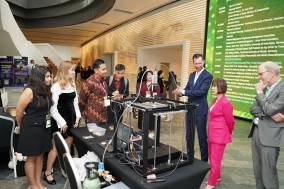
TUMCREATE, the multidisciplinary research branch of the Technical University of Munich (TUM) in Singapore, celebrates its 15th anniversary. It is a milestone to highlight impactful research, pioneering innovation, and strategic collaboration to address real-world challenges since its inception in 2010. Bavaria’s Minister of Science Markus Blume and TUM President Prof. Thomas F. Hofmann took part in the celebrations during their visit to Singapore.   Hosted under Singapore’s National Research Foundation (NRF) Campus for Research Excellence And Technological Enterprise (CREATE), TUMCREATE has contributed to advancing scientific solutions and a legacy of impact. TUMCREATE has been driving research across diverse domains such as electromobility, sustainable food solutions and processing technology, energy systems, and health tech with other leading Singaporean and global universities and research institutes.   TUMCREATE’s current flagship programme, Proteins4Singapore, addresses the critical need to ensure a sustainable, nutritious, and secure food supply in rapidly growing urban environments and supports Singapore’s ‘30 by 30’ food security goal of producing 30% of its nutritional needs domestically. The collaborative environment at TUMCREATE has enabled deep academic and research exchanges leading to positive results. One successful milestone was EVA, the world’s first electric taxi for the tropics, developed in 2015 in collaboration with Nanyang Technological University.   TUMCREATE’s simulation technologies City Mobility Simulator (CityMoS) and Multi Energy System Modelling & Optimisation (MESMO) have been used in various government and industry projects to support the electrification of Singapore’s transport systems, infrastructure planning, and traffic flow optimisation. Based on a digital twin of Singapore, CityMoS’s utilisation to simulate traffic and mobility systems in real time has extended beyond Singapore through its commercial spin-off, intobyte.   TUM President Prof. Thomas F. Hofmann says: “TUMCREATE, as a vital part of our activities in Singapore, exemplifies the spirit of scientific excellence, the passion for impact, and the added value of international cooperation that defines our university’s global mission. It brings together talents from different disciplines and continents, converges German engineering competences and Asian ingenuity, and connects TUM’s entrepreneurial spirit with Singapore’s dynamic innovation systems. I am confident that our teaching and research activities in Singapore will help to shape a smarter, more sustainable future – together.”   Bavaria’s Minister of Science Markus Blume says: “Happy birthday! We are celebrating the 15th anniversary of an international success story. The cooperation between our Bavarian innovation ambassador, TUM, and the who’s who of innovation makers from Singapore has created a very special spirit. TUMCREATE is a strong platform for research cooperation between the innovation regions of Bavaria and Singapore – a bridge of excellence between the continents. For us, it is clear that innovation comes from cooperation. TUM has long been a pioneer in the field of internationalisation of our universities. As Bavaria, we are now further expanding our cooperation with the Asia-Pacific region through our new BayAP university and innovation center. This will also give TUM’s strong commitment even more momentum.”   Professor Subodh Mhaisalkar, NRF Executive Director says: “Over the past decade and a half, TUMCREATE has built robust partnerships with local institutions and industry, developing innovative solutions across various domains including sustainability, urban mobility, food sciences and nutrition. While bridging the gap between cutting-edge research and practical applications, the centre has provided solutions for topics related to deployment of electric vehicles, cargo management, and resource circularity.”   Advancing TUM’s Global Mission The success of TUMCREATE today reflects TUM’s mission to drive excellence in research and innovation. TUMCREATE is now setting sights on new frontiers including healthcare, artificial intelligence and quantum technologies to advance solutions that align closely with Singapore’s Research, Innovation and Enterprise strategies. Prof. Ulf Schlichtmann, CEO of TUMCREATE, says: “Pioneering solutions and impactful real-world applications are ingrained in our scientific approach. We look forward to many more successful years of pushing the boundaries of science and innovation with TUM and our academic and industry partners in Singapore.”   About TUMCREATE Following the inception of TUM Asia as TUM’s teaching branch in Singapore in 2002, TUMCREATE was founded in 2010 as a multidisciplinary research center in Singapore. TUMCREATE fosters collaborative research between the Technical University of Munich (TUM) and the world’s leading universities, local institutions, and public agencies as well as regional industry partners to contribute to the sustainable transformation of societies through science and technology. Funded by the National Research Foundation, TUMCREATE’s multi-faceted research projects span topics from urban mobility, food science and technology, biomedical technology, and preventive care to solutions for a carbon-neutral megacity. Over the last years, the research teams presented more than 1,000 publications, with more than 150 doctoral students and postdocs qualified for a career in research and industry. These achievements and the strong rapport established with its international partners reflect the institution’s high-quality research output and scientific impact.   About Singapore’s CREATE CREATE is an international collaborative housing research centres set up by top universities. At CREATE, researchers from diverse disciplines and backgrounds work closely together to perform cutting-edge research in strategic areas of interest, for translation into practical applications leading to positive economic and societal outcomes for Singapore. The interdisciplinary research centres at CREATE focus on four areas of interdisciplinary thematic areas of research, namely human systems, energy systems, environmental systems and urban systems.    For further information, please contact: Faye Soo Corporate Communications faye.soo@tum-create.edu.sg

TUMCREATE Securing Food Future with Controlled Environment Agriculture - Copy

Securing our Food Future with Controlled Environment Agriculture

Controlled environment agriculture (CEA), including vertical farming, offers substantialgains in productivity while reducing environmental impact. CEA systems can complement traditional agriculture by providing local, year-roundfood production that is independent of climate, region, or weather. Policy support, technological innovation, and public engagement are crucial to unlockthe full potential of CEA.   Climate change and a decline in available arable land are reducing crop yields which can significantly impact food security. Sustainable solutions to feed the increasingly growing population are urgent.   A research team as part of the Proteins4Singapore (P4SG) project, co-led by TUMCREATE in Singapore and the Technical University of Munich (TUM), proposes that future controlled environment agriculture – CEA systems can boost productivity for several food sources. In CEA, all growth conditions are carefully controlled to optimise growth and yield. Controllable parameters impacting these growth conditions span temperature, humidity, light, carbon dioxide concentration, and nutrients. All the outputs can be finely tuned, largely minimising environmental impact.   CEA enables a consistent year-round production of safe food and can complement traditional farming, according to Dr Vanesa Calvo-Baltanás, research fellow at TUMCREATE and the lead researcher of this finding. The team investigated the yield potential of six food groups cultivated under CEA conditions, including crops, algae, mushrooms, insects, fish and cultivated meat.   “Controlled environment agriculture systems can be set up anywhere in the world and remain unaffected by climate, weather, and location. Additionally, they can reduce water use by over 90%, which greatly benefits water-scarce regions. This can greatly enhance food security for drought-prone areas,” says Dr Vanesa Calvo-Baltanás, who works with Prof Senthold Asseng, Professor of Digital Agriculture at TUM and a co-Lead-Investigator of the P4SG project.   Despite the current high energy requirements combined with high electricity prices, as nations work towards climate resilience and food security goals, CEA could play a key role in supporting initiatives like Singapore’s ‘30 by 30’ food security strategy and the European Union’s ‘Farm to Fork’ policy by reducing the environmental and climate impact of primary production. The ‘30 by 30’ agenda aims to locally produce 30% of the city-nation’s nutritional needs by 2030.   “Controlled environment agriculture can revolutionise food production. However, to fully unlock its full potential, technological advancements to reduce energy requirements, policy incentives, and public engagement are needed. Our study provides a framework to help policymakers, industry leaders, and researchers to make informed decisions for developing sustainable food production systems,” says Dr Calvo-Baltanás.   The research is carried out by TUMCREATE, and supported by the National Research Foundation Singapore under its Campus for Research Excellence And Technological Enterprise (CREATE) programme.   Publications details Calvo-Baltanás V, Vilcinskas A, Brück T et al. The future potential of controlled environment agriculture. PNAS Nexus. 2025. doi: 10.1093/pnasnexus.pgaf078   Futher information Dr Vanesa Calvo-Baltanás has been exploring soybean productivity under CEA, in vertical farm settings with Proteins4Singapore at TUMCREATE, Singapore. The P4SG project aims to research sustainable and functional proteins to supply urban areas such as Singapore. P4SG research partners: Nanyang Technological University, Singapore Institute of Food and Biotechnology Innovation, Singapore Institute of Technology   About TUMCREATE Founded in 2010, TUMCREATE is a multidisciplinary research platform fostering bilateral research exchanges between the Technical University of Munich (TUM) and the world’s leading universities, local institutions, and public agencies as well as industry partners from the region to contribute to the sustainable transformation of societies through science and technology. Funded by the National Research Foundation, TUMCREATE’s multi-faceted research projects span topics from urban mobility, food science and technology, biomedical technology, and preventive care to solutions for a carbon-neutral megacity. Website | LinkedIn | Facebook   Proteins4Singapore Proteins4Singapore is a five-year strategic research programme hosted by TUMCREATE, dedicated to advancing plant-based alternative protein science and building a sustainable, high-quality protein food supply for Singapore. This initiative establishes a holistic research platform that integrates innovative cultivation techniques, state-of-the-art processing technologies, and new food engineering approaches alongside a molecular characterisation of flavour perception, toxicology, and health impact assessment of novel foods. Guided by techno-economic and techno-functional evaluations, the consortium aims to develop scalable and sustainable solutions for the future of alternative proteins. Website   For further information, please contact: Faye Soo TUMCREATE Corporate Communications Email: faye.soo@tum-create.edu.sg

TUMCREATE LightSPAN and Lions Befrienders Sign MoU header

Lions Befrienders and TUMCREATE Sign MoU to Study Optimal Light Exposure in Seniors

Singapore – 19th November 2024 Lions Befrienders (LB), the social service agency, and TUMCREATE, the research platform of the Technical University of Munich (TUM) in Singapore, will collaborate on a research project, LightSPAN, that aims to evaluate the effectiveness of mobile health (mHealth) interventions in optimising light exposure and improving health outcomes among seniors. A Memorandum of Understanding (MoU) was signed on Friday afternoon by Ms Karen Wee, Executive Director, Lions Befrienders, and Dr Stefan Klade, Chief Operating Officer, TUMCREATE, in a ceremony at the Lions Befrienders Training Centre at Stirling Road. Under this partnership, seniors will learn how to optimise their quality of life and enhance their well-being, sleep quality and mood through increased daily exposure to natural light. This is aligned with the national initiative – Healthier SG which focuses on preventive health and encouraging seniors to take proactive steps to lead healthier lifestyles. “We are thrilled to enter this landmark partnership with TUMCREATE on the LightSPAN project. Proper light exposure is essential to reap the benefits that impact one’s physical, emotional and mental health, but our urbanised lifestyles may notalways allow necessary access to natural light, especially among seniors who spend a significant amount of time indoors,” says Ms Karen Wee. “Through this collaboration, we hope to share such critical knowledge with our seniors in an easy-to-understand way, using data-backed research to help them make informed decisions on ageing well in the community, in line with the Healthier SG programme.” This study is part of the LightSPAN research project funded by the National Research Foundation Singapore, which investigates light exposure across the lifespan and effective and scalable ways to optimise light exposure. LightSPAN represents a significant step towards leveraging environmental factors like light exposure for healthier ageing. By integrating research, technology, and community engagement, the project aims to create scalable solutions for Singapore’s ageing population. It is estimated that by 2030, one in four Singaporeans will be aged 65 or above, up from one in 10 in 20101. Getting the right light at the right time can help seniors to age well and healthily. Light detected through the eyes has a profound influence on human health and wellbeing2, making light exposure a key environmental factor of healthy ageing3. Specifically, seniors are vulnerable to insufficient light exposure which affects their circadian rhythm, sleep, cognition and mood. Stage one of the project led by TUMCREATE will begin in January 2025. The team of researchers will collaborate with senior participants to co-design a study app focusing on their needs and preferences. During this study, the participants will wear a light sensor device throughout the day to measure their exposure to visible light. With the data collected, the participants will receive personalised feedback via the smartphone app called LightUP. The participants will be able to get information on their light exposure trends and receive recommendations through the app on how to adjust their daily routines for improved well-being. Supplementing the study, experts from the TUMCREATE team will give educational talks about the importance of light exposure in facilitating healthy ageing. Consultation sessions with LB community service providers will be held to gather feedback and ensure the study’s intervention is tailored to the needs of seniors. “We are very excited about this collaboration, which will support healthy ageing by focusing on individual needs and preferences in a personalised way,” says Prof. Dr. Manuel Spitschan, the Principal Investigator of the project and Professor for Chronobiology and Health from TUM.   About Lions Befrienders Established in 1995, Lions Befrienders Service Association (Singapore) [LBSA] is a voluntary welfare organisation dedicated to providing holistic care and support to help seniors age healthily in place with community participation, enabling them to enjoy purposeful and meaningful lives. Through the active involvement of some 1,000regular volunteers, LBSA engages more than 13,000 seniors via a spectrum of integrated eldercare services catering to their social, emotional, mental, physical and spiritual needs. LBSA currently operates 10 Active Ageing Centres, two Community Case Management Services regions (East & West), Home Personal Care services, as well as a Befriending arm that reaches out to socially isolated seniors. Website | Facebook | Instagram   About TUMCREATE Founded in 2010, TUMCREATE is a multidisciplinary research platform fostering bilateral research exchanges between the Technical University of Munich (TUM) and the world’s leading universities, local institutions, and public agencies as well as industry partners from the region to contribute to the sustainable transformation of societies through science and technology. Funded by the National Research Foundation, TUMCREATE’s multi-faceted research projects span topics from urban mobility, food science and technology, biomedical technology, and preventive care to solutions for a carbon-neutral megacity. Over the last years, the research teams presented more than 1,000 publications, with more than 70 doctoral students qualified for a career in research and industry. These achievements and the strong rapport established with its international partners reflect the institution’s high-quality research output and scientific impact. Website | LinkedIn | Facebook   About LightSPAN A multi-disciplinary research collaboration between TUMCREATE and the Yong Loo Lin School of Medicine, National University of Singapore (NUS Medicine), and funded by the National Research Foundation (NRF), the Project LightSPAN examines the efficacy of optimising light exposure to reduce myopia prevalence among school-going children and promote resilient ageing through a novel smartphone-delivered behaviour-changing programme. This will lead to the rollout of an individually tailored, low-intensity behaviour-modification programme delivered through the smartphone application “LightUP”.   For further information, please contact: Jeanie Neo Lions Befrienders Branding & Communications Manager Email: gimwhee.neo@lb.org.sg   Faye Soo TUMCREATE Corporate Communications Email: faye.soo@tum-create.edu.sg   References 1. ACTION PLAN FOR SUCCESSFUL AGEING 2023 | Ministry of Health (2024)Available at: https://www.moh.gov.sg/others/resources-and-statistics/action-planfor-successful-ageing 2. Blume, C., Garbazza, C. and Spitschan, M. (2019) Effects of light on humancircadian rhythms, sleep and mood. Somnologie (Berl) 23 (3) pp.147–156. DOI:10.1007/s11818-019-00215-x 3. Shen, J. and Tower, J. (2019) Effects of light on aging and longevity, AgeingResearch Reviews, 53 p.100913. DOI: 10.1016/j.arr.2019.100913

TUMCREATE TFOODS Conference 2024 header

TFoodS Conference 2024 Sees Global Experts Nurture Singapore’s ’30 by 30′ Sustainable Food Vision

12th November 2024 — TUMCREATE, the research facility of the Technical University of Munich (TUM) in Singapore, kicked off the second edition of its Proteins4Singapore (P4SG) research programme’s TFoodS Conference, themed “Engaging with Alternative Proteins,” at Surbana Jurong Campus on 5th-6th November 2024.   The Guest of Honour for TFoodS, Dr Amy Khor, Senior Minister of State for Sustainability and the Environment, opened the two-day conference aimed at fostering connections and empowering researchers in the local and international community.   The TFoodS Conference reinforced Singapore’s dedication to establishing resilient and sustainable food systems, making significant strides towards the national goal of food security.   Global experts in food texturisation, agriculture, nutrition, food chemistry, health, and the circular economy gathered to share the latest results, present fresh insights, and engage in dynamic panel discussions.   Building a stronger rapport with fellow researchers, leading experts and industry players in food science and beyond allows a greater expansion of the food technetwork.   “I am delighted to witness the dynamic networking between Proteins4Singapore, the TFoodS conference, impactful industry partners, and deep tech landscapes such as Google and SGInnovate. We hope that new partnerships emerge from the conference,” said Prof. Dr. Gerhard Kramer, Senior Vice President of Research and Innovation at TUM.   Both the international conference and the comprehensive research programme, P4SG, are aligned with Singapore’s “30-by-30”[1] initiative, aimed at producing 30% of the nation’s nutritional needs locally by 2030. TUMCREATE’s researchers contribute to creating a sustainable food ecosystem together with leading institutions such as Nanyang Technological University (NTU), Singapore Institute of Technology (SIT), and Singapore Institute of Food and Biotechnology Innovation (SIFBI). These partners work towards strengthening Singapore’s food security and sustainability through the P4SG five-year research project launched in 2022.   Besides fostering collaboration and connecting global and local expertise, the TFoodS Conference also set the stage for the next phase of P4SG. Building on the momentum from this event, it is poised to advance groundbreaking solutions that address Singapore’s food security and sustainability goals.   “The next years for P4SG will be pivotal as we aim to launch a new phase that drives forward-thinking, transformative solutions. Our focus now is to harness bold, disruptive ideas for the programme’s next phase, ensuring we continue to contribute to Singapore’s dynamic research and innovation landscape. Building partnerships with like-minded people is key to creating lasting impact.” said Professor Thomas Becker, Chair of Brewing and Beverage Technology at TUM School of Life Sciences and Scientific Director of P4SG.   Through events like the TFoodS Conference, TUMCREATE fosters invaluable connections across the food science ecosystem, empowering researchers and industry professionals to explore innovative solutions together. This collaborative environment paves the way for new partnerships, driving forward advancements that respond to the evolving demands of food production and technology.   “The TFoodS Conference has emerged as an exceptional platform for scientific discourse, collaboration, and technology showcases. I had the pleasure to establish TFoodS together with the food science and innovation community to enable exchange and collaboration here in Singapore,” said Dr. Stefan Klade, Director of Research and Innovation at TUMCREATE and coordinator of the P4SG programme.   “By bringing together international and Singaporean partners across the food science and technology ecosystems, we are connecting expertise on these critical topics with decision-makers for emerging trends. Singapore, with its unique challenges in food production and its unparalleled drive for innovation, offers the perfect environment for this vital exchange.”   Some conference highlights included: • Tech and Protein Innovation Fair: Attendees explored tech advancements,sustainable food solutions, and collaborative opportunities designed to reshape industries, and improve lives. This helped to inspire and spark new ideas, forge meaningful collaborations, and unlock innovative solutions that drive lasting impact. • Science Kiosk: An interactive hub, the TFoodS Science Kiosk showcased the innovative research approaches of the P4SG consortium. Through technology displays, interactive process demonstrations, and live presentations, visitors explored alternative protein sources such as microalgae and vertically farmed soy, gained insights into gut microbiome research, and discovered emergingtechnologies like 3D food printing. Attendees were alsoguided on a sensory aroma journey and engaged in sustainability simulations. The Science Kiosk offered a unique opportunity for attendees to gain first-hand insights into alternative protein research and food security in Singapore’s urban landscape.   With food security and sustainable food production as pressing as global concerns, the focus is on innovation and developing the next generation of industry leaders who will shape the future of food systems. In alignment with TUMCREATE’s research focus, TUM Asia recently launched a new two-year Master of Science in Sustainable Food Programme in August 2024, admitting its inaugural cohort of students.   “The TFoodS conference and Proteins4Singapore initiative represent our commitment to pushing boundaries in sustainable food research and innovation,” said Dr. Markus Waechter, Managing Director of TUM Asia and Corporate Director of TUMCREATE.   “Through this, we’re not only fostering breakthrough solutions in alternative proteins but also equipping a new generation of leaders through our programme to drive impactful change in food resilience.”   Together, Proteins4Singapore, the TFoodS conference, and the Master of Science in Sustainable Food programme demonstrate TUMCREATE’s and TUM Asia’s commitment to building a sustainable food ecosystem in Singapore. About TUMCREATE Founded in 2010, TUMCREATE is a multidisciplinary research platform fostering bilateral research exchanges between the Technical University of Munich (TUM) and the world’s leading universities, local institutions, and public agencies as well as industry partners from the region to contribute to the sustainable transformation of societies through science and technology. Funded by the National Research Foundation, TUMCREATE’s multi-faceted research projects span topics from urban mobility, food science and technology, biomedical technology, and preventive care to solutions for a carbon-neutral megacity. Over the last years, the research teams presented more than 1,000 publications, with more than 70 doctoral students qualified for a career in research and industry. These achievements and the strong rapport established with its international partners reflect the institution’s high-quality research output and scientific impact. Website | LinkedIn | Facebook  About TFoodS Conference and Proteins4Singapore The TFOODS (Technology. Food.

B1ED3724-1C1E-41D1-B0A0-59F7113CC5BB

Reducing Childhood Myopia, Boosting Resilient Ageing Through Novel Light Exposure App

Light has a profound influence on human health, cognition and well-being. In turn, light at the wrong time, or insufficient light exposure, can have significant negative health effects. The optimisation of exposure to daily light can lead to healthier eye and brain development. The multi-disciplinary research project “LightSPAN”, led by TUMCREATE and the Yong Loo Lin School of Medicine, National University of Singapore (NUS Medicine), aims to optimise light exposure in primary school children and seniors through a custom-built, behaviour-changing application for individuals to take a proactive and preventive care approach. The LightSPAN research project has a two-pronged approach to prevent myopia in childhood and adolescence and promote healthier and more resilient ageing, which ties in perfectly with “Healthier SG”. It aims to leverage behaviour-change interventions as a key strategy to empower parents to take charge of their children’s eye health and older individuals to take charge of their health. Thursday, 09 November 2023 – TUMCREATE, a multidisciplinary research platform of the Technical University of Munich (TUM) in Singapore, and the Yong Loo Lin School of Medicine, National University of Singapore (NUS Medicine), kick off a new research project that examines the efficacy of optimising light exposure to reduce myopia prevalence among school-going children and promote resilient ageing through a novel smartphone-delivered behaviour-changing programme. This multi-disciplinary research project will lead to the rollout of an individually tailored, low-intensity behaviour-modification programme delivered through the smartphone application “LightUP”. The app empowers parents to ensure that their children get the right light at the right time to prevent myopia, and senior citizens to improve sleep quality, cognition, alertness and mood. This non-invasive programme leverages individual behaviour as the key strategy to empower individuals to take a proactive role to enhance their eye health, sleep, alertness, cognitive functioning and mental well-being. Additionally, LightSPAN will look into testing and establishing evidence-based lighting designs and policy recommendations for myopia-safe classroom lighting.  Light: a key influencer on human health, cognition and well-being Studies have revealed that light has a profound influence on human health, cognition and well-being. Exposure to bright light has also proven to provide strong benefits in reducing cognitive decline in dementia. The use of high-intensity light, sunlight or blue-enriched white light has also shown to stimulate the melanopsin system – the neurobiological pathway that supports normal circadian rhythms, which helps improve sleep quality, alertness, cognition and mood – functions that change with increasing age. In Singapore, the ageing population comprised 17.6 per cent of the total population (in 2021) and is projected to increase to 23.8 per cent by 2030. In response to the increasing ageing population and rising healthcare costs, Singapore has rolled out the national healthcare reform – Healthier SG – to shift the national healthcare strategy from treatment to prevention. Amid the challenges of coping with an ageing population, Singapore is also simultaneously grappling with a high prevalence of myopia (near-sightedness), with more than 80 per cent of young adults in Singapore affected by the condition. In addition to its very high socio-economic burden, high myopia, which affects nearly three per cent of the world population, can lead to irreversible vision loss. Without adequate interventions, myopia is projected to affect 50 per cent of the world population by 2050, with over one billion individuals with high myopia, making myopia the leading cause of irreversible blindness worldwide. While regular outdoor exposure and exposure to bright light (e.g., sunlight) remains a robust behavioural preventive measure to reduce the incidence of myopia, the implementation remains a challenge for working parents to gauge outdoor time and optimise time spent outdoors in bright light for their children. LightUP: a smartphone application to optimise light exposure for resilient ageing and myopia prevention The LightSPAN project will leverage behaviour as its key intervention strategy and examine its efficacy by targeting two key life stages – childhood and adolescence and late adulthood to optimise light exposure through the innovation of the smartphone application “LightUP”. Using data collected by a novel, wearable light sensor measuring visible and ultra-violet (UV) light exposure, the LightUP mobile app will provide personalised feedback for the user by presenting visualisations of light exposure throughout the day, showing long-term trends in light exposure and sending daily notifications to encourage the user to modify and adapt their behaviour to improve circadian rhythms, alertness, mood and cognition. Professor Manuel Spitschan, from TUMCREATE and co-Principal Investigator of the LightSPAN project, said, “As of now, there are no established guidelines or recommendations for healthy light exposure for senior citizens in Singapore or globally. With preventive care and mental well-being taking centre stage in how people manage their health, the research project aims to empower users to take a proactive approach to take care of their well-being by leveraging light exposure, which is an element that is available in abundance to ease age-related alterations in sleep, cognition, alertness and mood. With the widespread usage of smartphones among Singaporeans, adopting the LightUP application certainly presents a scalable potential for nationwide adoption of the app to deliver low-threshold behavioural intervention to get the right light at the right time.”   The app will also provide quick and easy access, transfer and tracking of light exposure details and nudges whenever additional light exposure is needed so that parents can effectively monitor and optimise their children’s light exposure.  Assistant Professor Raymond Najjar, from the Department of Ophthalmology at NUS Medicine and co-Principal Investigator of LightSPAN project, said, “Children today are experiencing insufficient outdoor and natural sunlight exposure, a concerning trend that is contributing to the alarming increase in childhood myopia. The younger the age of myopia onset, the higher the risk of myopia and associated sight-threatening conditions during adulthood. We need to stop or at least delay the onset of myopia in children. Recognising the pivotal role that outdoor exposure and natural sunlight play in reducing myopia risk, the LightSPAN project aims to introduce innovative, evidence-based strategies for myopia prevention. Through wearable light sensors, coupled with the LightUP mobile app, our initiative will empower parents to monitor their

TUMCREATE NTU_Geothermal Energy Uncovered

Study by NTU and TUMCREATE identifies potential for geothermal energy to become a key renewable resource in Singapore

Researchers from Nanyang Technological University, Singapore (NTU Singapore) and TUMCREATE, the Technical University of Munich’s (TUM) multidisciplinary research platform located in Singapore, in collaboration with Surbana Jurong, have found that Singapore has a significant geothermal resource that could be a consistent source of clean energy in addition to solar power. These findings were from their ground-breaking study that explores the geothermal potential in Singapore, which is supported by National Research Foundation, Singapore (NRF) and Energy Market Authority. As part of this study, a joint research team led by NTU Associate Professor Alessandro Romagnoli, Co-Director of the Surbana Jurong-NTU Corporate Laboratory, and TUMCREATE Principal Scientist Tobias Massier, drilled an exploratory slim hole to 1.1 kilometres below ground at Admiralty Lane. The location is close to the Sembawang hot spring, and the drilling pulled up rock core samples of the underlying rock formation, known as the Simpang granite. The granite is named after Simpang, an urban planning area located in the middle part of Singapore, where the Admiralty drilling site and the Sembawang hot spring are located.[1] While all rocks contain some heat-generating elements, some have a higher concentration of these elements, thus producing more heat than others. As part of the study, the team measured the rock temperatures at different depths in addition to the drilling. Based on the collected samples and data extrapolation, the team estimates that the geothermal site at Admiralty Lane could have a temperature of some 200 degrees Celsius at depths of four to five kilometres and deeper. Currently, the average temperature of the Simpang granite found at a depth of 1.1 kilometres at Admiralty Lane is already hot enough to cook a soft-boiled egg – which is hotter than rock temperatures found at that depth in many other non-volcanic regions. Examples of applications at lower temperatures can be used for recreational heating (30 to 60°C), food processing and water desalination (60 to 90°C), fabric dyeing (90 to 120°C), while higher temperatures can be used for district cooling (above 90°C), pulp and paper processing, cement drying (120 to 150°C), electricity and hydrogen generation (above 150°C). Given that most granite has heat-producing elements and is capable of storing and transferring heat (known as heat flows), the team discovered that the Simpang granite at Admiralty Lane also has high heat flows, twice as much as the global average, excluding those found in conventional geothermal areas in the vicinity of volcanos. NTU Vice President (Industry) Professor Lam Khin Yong, said the exploratory study is in line with both NTU’s and Singapore’s push towards renewable energy research and its promising findings could lead to a new renewable energy resource that many never thought possible. “The findings of having a heat-generating granite below northern Singapore holds great potential in our quest for more renewable energy sources for the nation. In line with the NTU 2025 Strategic Plan and our Sustainability Manifesto, we will continue to explore, research and create new knowledge that allows us develop solutions and applications that will benefit society,” said Prof Lam. “With more research and development into new emerging technologies, such as heat pipes to draw heat energy for energy generation and cooling purposes, we can potentially unlock a low-carbon energy source that is constant regardless of weather conditions – unlike solar – and abundant, possibly lasting decades.” Mr. Ralph Foong, Deputy Chief Executive (Energy Planning and Development), EMA, added: “The findings from NTU’s study are a useful basis for us to better understand the potential for geothermal energy to become a key renewable resource for Singapore. If proven viable, geothermal energy could contribute to a more sustainable and diversified energy mix. We look forward to collaborating with NTU and other stakeholders to fully assess Singapore’s geothermal potential.” Lead scientist of the study, Assoc Prof Romagnoli, said the data collected suggests the presence of relatively higher temperatures compared to other deep boreholes worldwide. “This unique characteristic of having a higher temperature gradient, combined with the high heat production of the Simpang granite, contributes to the unusual high heat flow,” said Assoc Prof Romagnoli, who is also the Cluster Director of Multi-Energy Systems & Grids at the Energy Research Institute @ NTU (ERI@N).   Lead scientist Dr Tobias Massier from TUMCREATE pointed out the possible utilisation of Singapore’s geothermal power potential to cover the country’s cooling demand. “Every gigawatt of geothermal power could cover about 12 per cent of Singapore’s current cooling demand, which sounds quite exciting. We are currently researching on the utilisation of geothermal energy to augment Singapore’s energy mix. This is also part of TUMCREATE’s contribution towards achieving Singapore’s national climate target of net zero emissions by 2050,” Dr Massier stated. The study involved multiple scientists, including Associate Professor Zhao Zhiye, Interim Director, Nanyang Centre for Underground Space at NTU, Associate Professor Wu Wei, NTU School of Civil and Environmental Engineering, Dr. Mark Lim Jian Wei, Energy Research Institute @ NTU. Mr Tan Wooi Leong, Managing Director, Energy & Industrial, Surbana Jurong, said, “Geothermal energy will add to Singapore’s renewable energy mix to support the energy needs of industrial and residential sectors in Singapore. This enhances Singapore’s energy security and is a step closer to bringing down the cost of energy for businesses and consumers. These initial findings are very encouraging. Surbana Jurong will continue to pursue further studies to unlock the full potential of geothermal energy and deliver practical applications of this valuable resource.” Using Fourier’s law of thermal conductivity, the team estimates that the Simpang granite at Admiralty Lane has twice the global continental average of heat flows, in line with previous estimates obtained from regional heat flow maps conducted by other studies. They also found the presence of potential porosity for underground storage within the fractured rocks at around one kilometre deep, which opens possibilities for underground thermal storage applications – where heat is pumped and stored in an underground space until it is needed, or for other purposes like an underground rock cavern or carbon dioxide sequestration. The study has shed

Proteins4Singapore Kickoff

TUMCREATE Leads Research to Secure Sustainable Proteins Supply through Novel Reverse Food Engineering and Additive Manufacturing

The Proteins4Singapore research programme harnesses world-class expertise in material science, process engineering and food chemistry by renowned academic and research institutions to propel forward a new generation of proteins that is nutritious and palatable. With the world’s population tipped to exceed 9.2 billion in 2050, there is an urgent need to provide food for the growing population amid ongoing urbanisation and depletion of the agricultural space. Proteins4Singapore will catalyse the scientific understanding of the relationship between proteins and their structural function and discover more about their aroma, taste, and texture interactions. The completion of the research will offer promising solutions to address one of the world’s most urgent challenges. Technologies emerging from this research will also offer new business opportunities in Singapore while strengthening the food supply in Singapore. Thursday, 28 April 2022 – TUMCREATE, a multidisciplinary research platform of the Technical University of Munich (TUM) at the Singapore campus, will lead the scientific research programme, Proteins4Singapore, to explore and secure sustainable sources of protein supply for food production in Singapore. This will potentially open new doors for commercialisation opportunities using novel reverse food engineering and additive manufacturing approaches. Harnessing world-class expertise in material science, process engineering and food chemistry from leading academic and research institutions – TUM, Nanyang Technological University (NTU) Singapore, Singapore Institute of Technology (SIT) and Agency for Science, Technology and Research (A*STAR) – the research programme propels forward a new generation of proteins that is nutritious and palatable. Funded by National Research Foundation, the research explores cutting-edge sustainable methods to derive protein sources from conventional side streams and revolutionise the way food is produced traditionally by creating food of highly defined textural, sensory and nutritional qualities. The first phase of its research will begin by employing vertical soybean and micro-algae farming to obtain a perfectly suited protein quality mix. Launched today at CREATE tower, the Proteins4Singapore Kick-Off event saw 50 scientists of interdisciplinary research facilities convening in a series of networking and dialogue sessions to share their latest research findings and to foster closer collaborations in food research.  Keeping pace with rising global population With the world’s population tipped to exceed 9.2 billion in 2050,[1] there is an urgent need to provide food to the growing population amid mounting challenges such as climate crisis, ongoing urbanisation, depletion of the agricultural landscape, unexpected and disruptive events such as the COVID-19 pandemic Singapore, with only one per cent of the land available for food production, relies heavily on global supply chains for food. In 2020, the nation only produces 10 per cent of its food locally while importing 90 per cent of local food consumption from 170 countries[2] The inherent vulnerability of its food supply chain and the volatilities the food supply chain is subjected to have consequently urged the nation to push forward with its “30 by 30” plan of producing 30 per cent of Singapore’s nutritional needs by 2030.[3] Bridging food security gap amid challenges Against this backdrop, Proteins4Singapore will catalyse the scientific understanding of the relationship between proteins and their structural function and discover more about their aroma, taste and texture interactions. The completion of the research offers promising solutions to address one of the world’s most complex challenges. In addition, the technologies emerging from this research will also provide new business opportunities in Singapore while strengthening its food supply. The United Nations projected that by 2030, there will be 43 megacities exceeding 10 million people, while 68 per cent of the 10 billion global population will live in urban areas.[4] Thus, the unique position that Singapore is in will serve as a blueprint for globally relevant scenarios to supply nutritious food to a densely populated but land-limited urban population. TUMCREATE’s CEO, Professor Ulf Schlichtmann said, “The Proteins4Singapore research programme holds great potential in unlocking clues and accelerating our understanding towards the formation and interactions of proteins while offering life-changing technologies to secure a sustainable protein supply, which will make a difference for people in Singapore and other megacities. The deep collaboration fostered between the institutions straddling world-class expertise across a range of disciplines that TUMCREATE spearheads will pave the way towards a robust scientific research ecosystem essential to generate scientific breakthroughs to confront future challenges.”   Facilitating a new generation of proteins At its core, the research will combine alternative protein sources, like micro-algae, protein-rich crops, or side-streams from aquaculture, on indoor farming concepts independent from arable land and climate change. These new protein sources will be integrated into innovative processing methods to facilitate a new generation of proteins. One of them is the use of novel reverse food engineering. This technique breaks down and separates food products into individual components to produce food with pleasant textures and improved sensory impressions – a critical step in creating nutritious and high-quality food products that has yet to be commercialised in the market. Another is the use of integrative and innovative extrusion systems in combination with 3D printing techniques to lead to large-scale, as well as decentralised production capabilities for plant protein-based foods with highly controlled and defined sensory perception functions. The formation of realistic textures similar to conventionally textured food will greatly improve consumer perception of such novel food products. Drawing expertise from different disciplines in material science, process engineering and food chemistry, the research will focus on establishing links between protein functionality, proteins’ interactions with other ingredients, sensory qualities, and the inherent processing methods using fundamental and application-based analytic techniques. About TUMCREATE: Founded in 2010, TUMCREATE is a multidisciplinary research platform funded by the National Research Foundation to foster bilateral research exchanges between Technical University of Munich (TUM) and relevant partners in Singapore. TUMCREATE collaborates with partner universities, public agencies, and industry for the advancement of future technologies in the fields of electromobility, smart cities, medical technology, and now – food science. Over the last years, the researchers of TUMCREATE have contributed to nearly 700 publications with their results. Website: https://www.tum-create.edu.sg Facebook: https://www.facebook.com/TUMCREATE LinkedIn: https://www.linkedin.com/company/tum-create-limited ​ For further information, please contact: Peifen Chia

TUMCREATE_TFoodS Conference

First Edition of TFoodS Conference by Proteins4Singapore

Featuring a cadre of food science and technology experts from all over the world, the inaugural TFoodS Conference spotlights the scientific insights in vertical farming, biotechnology and food engineering, food chemistry and molecular sensory science, as well as health and nutrition, in a bid to catalyse Singapore’s alternative proteins research and innovation ecosystem.  The geographically dispersed and fragmented nature of Singapore’s food system is further complicated as more actors enter the local alternative proteins industry, adopting a myriad of technologies and innovations to cater to the increasingly dynamic dietary and nutritional needs. The TFoodS Conference serves as a platform for different actors across the food value chain to exchange expertise and strengthen the scientific understanding of some of the critical aspects of the food system.  Bringing in food science experts from Germany, the Netherlands, the US, and EIT Food, the conference sees the deepening of synergy and collaboration across the food network.    The collaboration between TUMCREATE and EIT Food culminates in a shark tank event where local food entrepreneurs pitch their food innovations to an expert jury to gain access to the exclusive EIT Food Venture Summit in Lisbon this coming November.   Tuesday, 11 July 2023 – Close to 200 scientific and industry experts in vertical farming, biotechnology and food engineering, food chemistry and molecular sensory science, as well as health and nutrition from Europe and Singapore gather in Singapore on 11 to 12 July for the inaugural TFoodS Conference to present their research insights and findings in a bid to catalyse the alternative proteins research and innovations in Singapore. Hosted by TUMCREATE, a multidisciplinary research platform of the Technical University of Munich (TUM), the conference sees deeper synergy and exchange of scientific expertise between international food manufacturers and suppliers such as Nestle, Symrise, Bühler, food science experts from EIT Food and TUM, startups, and industry professionals as they exchange scientific insights and foster collaboration across the research, production, processing, and consumption of food.   Driving innovation across Singapore’s food system Over the past years, Singapore has seen an extraordinary surge in the growth and development of its alternative proteins industry, and it is expected to grow[1]. According to think tank Good Food Institute (GFI), investment in alternative proteins  [2]. Singapore is also the first country to allow the commercial sale of cultivated meat[3]. Against this backdrop, coupled with Singapore’s continual push to build its agri-food industry’s capability and capacity to sustainably produce 30% of its nutritional needs by 2030, an increasing number of actors are entering the alternative proteins industry adopting a myriad of technologies and innovations to cater to the increasingly dynamic dietary and nutritional needs. This further complicates Singapore’s pre-existing geographically dispersed and fragmented food system. There are currently more than 60 alternative protein companies based in Singapore, employing 790 people[4].  The absence of scientific know-how within the complex web of activities of Singapore’s food system poses a challenge for food entrepreneurs to find a breakthrough rapid enough to meet Singapore’s ambitious “30-by-30” goal. To drive innovation across the food value chain of alternative proteins, the TFoodS conference becomes a platform for them to exchange scientific insights and expertise to strengthen their understanding of the food system. In addition, the conference puts together a product fair for startups and companies to share and discuss their perspectives with other food science experts such as plant and algae specialists, food engineers, and microbiologists.   Shark Tank event  In partnership with EIT Food, the TFoodS Conference is also hosting a Shark Tank event in which food entrepreneurs will pitch their food innovations to an expert jury and gain direct access to the thriving food innovation ecosystem in Europe. Successful shark tank pitches will be able to gain access to the invite-only EIT Food Venture Summit in Lisbon, in which attendees will get the chance to meet and work with agri-food leaders.  TUMCREATE’s CEO, Professor Ulf Schlichtmann, said, “The Proteins4Singapore research programme holds great potential in unlocking clues and accelerating our understanding towards the formation and interactions of proteins while offering life-changing technologies to secure a sustainable protein supply, which will make a difference for people in Singapore and other megacities. The deep collaboration fostered between the institutions straddling world-class expertise across a range of disciplines that TUMCREATE spearheads will pave the way towards a robust scientific research ecosystem essential to generate scientific breakthroughs to confront future challenges.”   Proteins4Singapore  Comprising renowned scientists for plant and algae cultivation and processing, Proteins4Singapore is looking into the optimal production of soybeans and micro-algae in a controlled environment to create protein-rich products with improved texture, flavour, and optimised nutritional profile. The research project will involve studies of the gut microbiome and its interaction with the tailored protein and peptide composition. Each technological process and the suggested production chain will be benchmarked against traditional methods using holistic life-cycle analysis for enhanced validity and ensuing opportunities for scaling and commercialisation. These new protein sources will be integrated into innovative processing methods to facilitate a new generation of proteins. One of them is the use of integrative and innovative extrusion systems in combination with 3D printing techniques to lead to large-scale, as well as decentralised production capabilities for plant protein-based foods with highly controlled and defined sensory perception functions. The formation of realistic textures similar to conventionally textured food will greatly improve consumer perception of such novel food products.  The research teams combine that with the novel reverse food engineering approach that breaks down products and guides selection of the processing parameters to produce food with pleasant textures and improved sensory characteristics – a critical step towards creating nutritious and high-quality food products that will potentially open new doors for commercialisation opportunities.  Harnessing world-class expertise in material science, process engineering and food chemistry from leading academic and research institutions – TUM, Nanyang Technological University (NTU) Singapore, Singapore Institute of Technology (SIT), and Agency for Science, Technology and Research (A*STAR) – the research programme propels forward a new generation of proteins that is nutritious and palatable. The unique position that Singapore is in will

SITEM_Visual_Eyecatcher_V04

Singapore’s first Integrated Simulation Model of Vehicle Electrification Created by A*STAR and TUMCREATE

A*STAR’s Institute of High Performance Computing (IHPC) and TUMCREATE Ltd (TUMCREATE) are working together on a research project that supports Singapore’s planning for the transition to electric vehicles (EVs) nationwide. The Singapore Integrated Transport Energy Model (SITEM) will be used to conduct a comprehensive analysis of projected electric vehicle (EV) charging patterns and energy demand, which will support policymaking on Singapore’s budget 2040 vision for all vehicles to run on cleaner energy and contribute towards Singapore’s decarbonisation commitments. The research project is commissioned by the Science and Technology Policy and Plans Office (S&TPPO), Prime Minister’s Office, and aims to advance the nation’s capabilities in integrated modelling and simulation of transport and power systems. Singapore’s 2040 vision to phase out internal combustion engine (ICE) vehicles and have all vehicles run on cleaner energy will involve a large-scale, multi-agency effort to provide charging infrastructure, electrify public vehicles, and upgrade the electrical grid to accommodate the new demand. Designed to support this effort, SITEM is the first high-fidelity, island-wide simulation of EV transport in Singapore that integrates multiple aspects of mobility and energy modelling, including the movements of individual vehicles, drivers’ decisions about where and when to charge, and the interaction of EV charging demand with electricity grid capacity. Through advanced scenario modelling and simulation, the project aims to deliver insights on how Singapore can optimise EV charging stations’ placement to address drivers’ charging needs and to efficiently allocate energy demand and upgrades across the power grid. Robust modelling and simulation has potential to reap significant cost avoidance, as projects in the infrastructure and energy space are typically costly and hard to re-work once in the implementation stage. To model such a large-scale and multi-layered system at high resolution, IHPC and TUMCREATE are employing advanced capabilities including large scale complex systems modelling and optimisation, high performance and distributed computing, advanced data analytics and empirically grounded agent-based modelling of human behaviour. The project team also draw on extensive experience in past and ongoing project collaborations with various local entities in the transport ecosystem, including transit operators, regulatory bodies and urban planners. The SITEM project builds on two primary simulation technologies developed by TUMCREATE in Singapore under its NRF-funded Mobility Programme: City Mobility Simulator (CityMoS) utilises high-performance computing techniques to enable high-detail transport simulation of the entire island of Singapore, while maintaining short turnaround times. . Multi Energy System Modelling & Optimisation (MESMO) is an advanced software framework that combines simulation of electrical grids and optimisation techniques to mitigate the grid impact of distributed energy resources (such as photovoltaics) and new types of loads (such as EV charging). Network data and modelling considerations were provided by the Energy Market Authority and national grid operator SP Group. While further development of SITEM is ongoing, preliminary findings from simulation studies conducted by the IHPC and TUMCREATE research team have enabled collaborating government agencies and industry partners to validate and refine their planning assumptions regarding such questions as the adequacy of electric charger provisioning to meet projected demand and the sufficiency of electrical grid capacity to support vehicle electrification requirements. In addition, SITEM’s advanced scenario modelling capabilities have enabled regulatory agencies to explore and evaluate varied pathways to vehicle electrification. For example, in light of the fact that private electric cars will generally park longer than the actual duration required for the car to charge fully, smart charge management can help to reduce grid infrastructure upgrade costs without compromising the overall energy provisioned to the electric cars. SITEM makes it possible to estimate the efficiency gains from such systems, and can model their impact alongside or in combination with other mechanisms such as incentive-based demand shifting, smart scheduling and local energy storage. Dr Lim Keng Hui, Executive Director of A*STAR’s IHPC, said “The beauty of simulation and modelling in urban planning is that we can integrate with multiple real-world datasets to create realistic computational models of our city, and explore different designs to achieve the optimal outcomes before physical infrastructure upgrade is commissioned. Our aim is for this collaboration to allow local government agencies to tap on A*STAR’s advanced systems modelling and simulation capabilities to better plan and support the electrification effort in Singapore. IHPC has years of expertise in land transportation research, and we look forward to this collaboration with TUMCREATE to undertake this national-level strategic modelling project.” Prof Ulf Schlichtmann, CEO of TUMCREATE, said, “It is with great pleasure that TUMCREATE is part of this exciting multi-stakeholder project, together with our partner IHPC and the various Singapore government agencies. I am delighted to see that our simulators, CityMoS and MESMO, play an important role in providing recommendations for the electrification of Singapore’s transport system. Since its establishment, TUMCREATE has been conducting innovative research in support of Singapore’s sustainability goals and this is a great opportunity for us to contribute further on and show the relevance of our technologies.” Er Pang Chung Khiang, Group Chief Systems Officer of S&TPPO, PMO, said, “This collaboration between the research teams and relevant government agencies allows for integration of the best from two research institutes to address national level challenges. The coupled transport and energy simulation model allow for continuous refinement of planning parameters to better understand interdependencies and emergent behaviours with new concept of operations for decision making. Modelling and simulation generate insights that brings downstream savings on infrastructure upgrades whilst allowing our agencies to focus efforts to enhance overall commuter satisfaction. These efforts dovetail with developments like our Smart Nation Initiative.”   About the Institute of High Performance Computing (IHPC) A*STAR’s Institute of High Performance Computing (IHPC) was established in August 1998 to provide leadership in computational modelling, simulation and AI to solve major scientific, industrial and societal challenges. It seeks to promote and spearhead scientific advances and technological innovations through multidisciplinary R&D, and to develop impactful applications to further economic growth and improve lives. Our research focuses are in computing science and AI; large scale complex systems modelling; social and cognitive computing; computational engineering mechanics, fluidic dynamics,

Preview-1

Huawei and TUMCREATE set up New Joint Innovation Lab in Singapore to Boost Mobility Simulation Research

Singapore, 23 April 2021 – Huawei and TUM CREATE Ltd (TUMCREATE) are entering a new partnership to set up an innovation lab, the Mobility in Virtual Environments at Scale (MoVES) Lab, in Singapore to conduct cutting-edge research that will enhance transport system simulation, facilitating and improving urban planning in smart cities.   For simulations to support real-world deployments and decision making, a high level of realism needs to be exhibited from the simulator. Currently, one of the biggest challenges is that most mobility simulators are unable to replicate more complex and challenging situations, such as busy intersections in some parts of Asia and the rest of the world. The MoVES Lab aims to develop new simulation models that can accurately reflect such scenarios. These enhanced simulations can then be used as a base to support traffic flow planning and traffic light control, contributing to more efficient transportation solutions.   The joint innovation lab will further improve the scalability of mobility simulations using high performance computing techniques and leverage on the expertise and resources from both sides. Researchers and engineers will push boundaries to optimize performance on multi-core computers and even engage super computers to help solve traffic problems around the world and contribute to a more efficient operation of intelligent transport systems. These efforts will be utilizing TUMCREATE’s City Mobility Simulator (CityMoS), which has been developed since 2011 in the research group led by TUM’s Professor Alois Knoll. CityMoS is a high-performance mobility simulator that can simulate hundreds of thousands of entities (e.g., private vehicles, taxis, trains, public transport passengers) in parallel to offer a holistic evaluation approach for the transport systems of entire cities in great detail. The simulator can be used to predict traffic situations, support the building and configuration of transport infrastructure, and answer a wide range of what-if questions in the mobility domain.   Huawei, as a leading global tech company, will also be lending their expertise in the field of urban transportation with their vast experience with mobility projects internationally. The know-how from real world deployments will be a decisive contribution, making simulations more realistic and useful to support smart city transport systems.   The first phase of this collaboration will be for two years and will bring together researchers and engineers from Huawei and TUMCREATE. As CityMoS is developed in Singapore, most of the research activities will be conducted locally. The R&D activities are also expected to create more opportunities for locals in the area of modelling and simulation.   TUMCREATE’s Dr David Eckhoff, Director of MoVES Lab, said “We are looking forward to work with a strong partner like Huawei to take the leap from research to real-world deployment with our CityMoS simulation platform. This newly established joint lab is a great opportunity to bring our technology to the next level and expand the possibilities of transport simulation and modelling. We hope with Huawei’s global network, our work will be able to benefit more cities around the world in transport planning. I would also like to thank Professor Alois Knoll for his support in making this collaboration possible.”   Dr Götz Brasche, Huawei CTO Cloud BU Europe, Co-Director of MoVES Lab, said “The cooperation with the leading experts of TUMCREATE is an important milestone on the way to future smart mobility and transportation solutions. The joint lab is a reference example for close academic-industry cooperation and effective transfer of research results driven by academic flagship institutions to industry.”     About TUMCREATE TUMCREATE is a research platform for the improvement of Singapore’s public transportation, including the deployment of electric and autonomous mobility. Researchers from world-leading universities, Technical University Munich (TUM) and Nanyang Technological University (NTU), joined forces and are funded by Singapore’s National Research Foundation as part of the Campus for Research Excellence And Technological Enterprise (CREATE).   Website: https://www.tum-create.edu.sg Facebook: https://www.facebook.com/TUMCREATE LinkedIn: https://www.linkedin.com/company/tum-create-limited   About Huawei Huawei is a leading global provider of information and communications technology (ICT) infrastructure and smart devices. With integrated solutions across four key domains – telecom networks, IT, smart devices, and cloud services – we are committed to bringing digital to every person, home and organization for a fully connected, intelligent world.   Huawei’s end-to-end portfolio of products, solutions and services are both competitive and secure. Through open collaboration with ecosystem partners, we create lasting value for our customers, working to empower people, enrich home life, and inspire innovation in organizations of all shapes and sizes.   At Huawei, innovation focuses on customer needs. We invest heavily in basic research, concentrating on technological breakthroughs that drive the world forward. We have 194,000 employees, and we operate in more than 170 countries and regions. Founded in 1987, Huawei is a private company fully owned by its employees.   For more information, please visit Huawei online at www.huawei.com or follow us on: http://www.linkedin.com/company/Huawei http://www.twitter.com/Huawei http://www.facebook.com/Huawei http://www.google.com/+Huawei http://www.youtube.com/Huawei   For any queries, please contact: TUMCREATE Brenda Yap Media and Communications Email: brenda.yap@tum-create.edu.sg

Scroll to Top